Red Raspberry Leaf Tea Recipe: An Herbal Remedy with Potential Health Benefits
Red raspberry leaf tea is a popular herbal tea with a long history of traditional use. It is made from the dried leaves of the red raspberry plant (Rubus idaeus) and has a mild, slightly tart flavor. This tea is often used to support women's health, particularly during pregnancy and labor, but it may also offer other health benefits.
Overview of Red Raspberry Leaf Tea

Red raspberry leaf tea is a herbal tea made from the dried leaves of the red raspberry plant (Rubus idaeus). It has been traditionally used for centuries to support women's health, particularly during pregnancy and childbirth.
Red raspberry leaf tea is rich in vitamins, minerals, and antioxidants. It contains high levels of vitamin C, iron, potassium, and magnesium. It also contains antioxidants such as ellagic acid and quercetin, which have been shown to have anti-inflammatory and anti-cancer properties.
Traditional Uses
Red raspberry leaf tea has been traditionally used for a variety of purposes, including:
- Supporting pregnancy and childbirth: Red raspberry leaf tea is believed to help tone the uterus and prepare it for labor. It may also help reduce pain and bleeding during childbirth.
- Reducing menstrual cramps: Red raspberry leaf tea may help reduce pain and inflammation associated with menstrual cramps.
- Improving digestion: Red raspberry leaf tea may help improve digestion and reduce symptoms such as diarrhea and constipation.
- Boosting the immune system: Red raspberry leaf tea is rich in vitamin C and other antioxidants, which may help boost the immune system and protect against infections.
Potential Side Effects and Contraindications
Red raspberry leaf tea is generally considered safe for most people. However, it may cause side effects such as nausea, vomiting, and diarrhea in some people.
Red raspberry leaf tea should not be used by women who are pregnant or breastfeeding without consulting a doctor. It may also interact with certain medications, such as blood thinners and diuretics.
Brewing Methods for Red Raspberry Leaf Tea
Red Raspberry Leaf Tea is a versatile beverage that can be enjoyed in various ways. Explore different brewing methods to optimize flavor and potency.
Hot Tea
- Place 1-2 teaspoons of dried Red Raspberry Leaf in a tea infuser or strainer.
- Pour 1 cup of boiling water over the leaves.
- Steep for 5-10 minutes, depending on desired strength.
- Remove the infuser and enjoy.
Cold Brew
- Combine 1 cup of Red Raspberry Leaf with 4 cups of cold water in a pitcher.
- Refrigerate for 8-12 hours or overnight.
- Strain the tea into a glass and enjoy over ice.
Tincture
- Fill a jar with dried Red Raspberry Leaf.
- Pour vodka or brandy over the leaves, filling the jar to the top.
- Seal the jar and store in a cool, dark place for 4-6 weeks.
- Strain the tincture into a dropper bottle and use as needed.
Tips for Optimal Flavor and Potency
- Use high-quality Red Raspberry Leaf for a richer flavor.
- Experiment with different steeping times to find the perfect balance of flavor and potency.
- Add honey or other natural sweeteners to taste.
- Consider adding other herbs or spices, such as cinnamon or ginger, for a unique flavor profile.
Dosage and Frequency of Consumption

The recommended dosage and frequency of consumption for Red Raspberry Leaf Tea vary depending on individual needs and health goals. Here are general guidelines and considerations:
For general health maintenance and menstrual support, it is recommended to consume 1-2 cups of Red Raspberry Leaf Tea daily. This can be increased to 3-4 cups per day during the second half of the menstrual cycle (luteal phase) or during pregnancy.
Adjusting Dosage Based on Individual Needs
The dosage of Red Raspberry Leaf Tea can be adjusted based on individual needs and tolerance. For those with sensitive stomachs or who are new to drinking herbal teas, it is recommended to start with a lower dosage and gradually increase as tolerated.
For women experiencing heavy menstrual bleeding, it may be necessary to increase the dosage to 3-4 cups per day during the luteal phase. It is always advisable to consult with a healthcare professional before adjusting the dosage significantly.
Guidelines for Safe and Effective Use
Red Raspberry Leaf Tea is generally considered safe for most people when consumed in moderate amounts. However, it is important to follow these guidelines for safe and effective use:
- Do not consume Red Raspberry Leaf Tea during the first trimester of pregnancy, as it may stimulate uterine contractions.
- If you have any underlying health conditions or are taking any medications, consult with a healthcare professional before consuming Red Raspberry Leaf Tea.
- Avoid excessive consumption, as high doses may cause side effects such as nausea or diarrhea.
Ingredients and Variations
To prepare Red Raspberry Leaf Tea, you will need the following ingredients:
- Dried Red Raspberry Leaves: These leaves are the primary ingredient and provide the characteristic flavor and health benefits of the tea.
- Water: Fresh, clean water is essential for brewing the tea.
Variations and additions to the recipe can enhance the flavor and add additional health benefits:
- Sweeteners: Honey, maple syrup, or stevia can be added to sweeten the tea.
- Citrus: Lemon or orange slices can add a refreshing citrus flavor.
- Herbs: Herbs like ginger, cinnamon, or mint can be added for their flavor and health benefits.
- Fruits: Berries like strawberries or blueberries can be added for a fruity flavor.
Customized Blends
You can create customized blends by combining different ingredients to suit your taste and health needs. Experiment with various combinations to find the perfect blend for you.
Health Benefits of Red Raspberry Leaf Tea
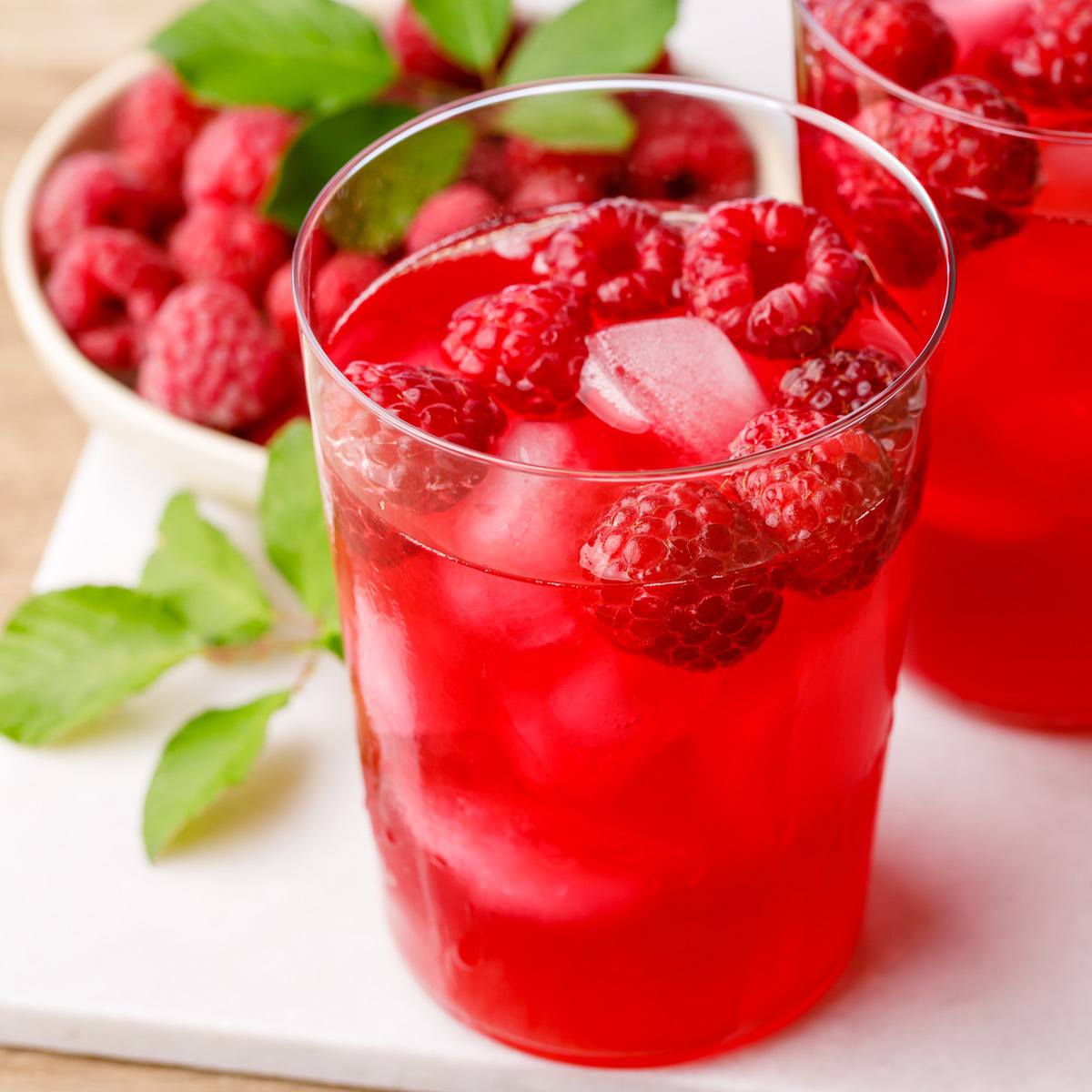
Red raspberry leaf tea is a popular herbal tea made from the dried leaves of the red raspberry plant (Rubus idaeus). It has been traditionally used for centuries to support women's health, particularly during pregnancy and labor. Modern scientific research has confirmed many of these traditional uses and revealed additional health benefits of red raspberry leaf tea.
Pregnancy and Labor
Red raspberry leaf tea is widely consumed during pregnancy to prepare the uterus for labor and reduce the risk of complications. Studies have shown that regular consumption of red raspberry leaf tea can:
- Shorten labor duration and reduce the need for medical interventions.
- Strengthen uterine contractions and improve cervical dilation.
- Reduce postpartum bleeding and pain.
These effects are attributed to the presence of fragarine and other compounds in red raspberry leaf that have uterine-toning properties.
Red raspberry leaf tea is a delicious and healthy beverage that can be enjoyed by people of all ages. The tea is made from the dried leaves of the red raspberry plant, and it has a slightly sweet and tart flavor.
Red raspberry leaf tea is a good source of vitamins and minerals, including vitamin C, potassium, and iron. It is also a good source of antioxidants, which can help protect the body from damage caused by free radicals. In addition to its nutritional value, red raspberry leaf tea is also said to have a number of health benefits, including reducing the symptoms of PMS and menopause, improving fertility, and boosting the immune system.
If you are looking for a healthy and delicious way to improve your health, red raspberry leaf tea is a great option. And if you are looking for a sweet treat, be sure to check out these Recipes For Cherries In Syrup . Red raspberry leaf tea pairs well with sweet desserts, and it can also be used to make a refreshing summer iced tea.
Other Health Benefits
Beyond its benefits during pregnancy and labor, red raspberry leaf tea has also been associated with various other health benefits, including:
- Menstrual health: Red raspberry leaf tea may help regulate menstrual cycles, reduce cramps, and relieve PMS symptoms.
- Digestive health: It has anti-inflammatory and antioxidant properties that may support digestive health and reduce gastrointestinal issues.
- Antioxidant activity: Red raspberry leaf tea contains antioxidants that protect cells from damage and may reduce the risk of chronic diseases.
- Heart health: Some studies suggest that red raspberry leaf tea may improve heart health by reducing cholesterol levels and blood pressure.
Potential Side Effects and Contraindications
Consuming Red Raspberry Leaf Tea generally poses no significant risks, but some individuals may experience mild side effects.
Those who should avoid consuming the tea include:
- Pregnant women during the first trimester, as it may increase the risk of miscarriage.
- Individuals with a history of uterine fibroids, as it may stimulate their growth.
- People taking anticoagulant medications, as it may interact with these drugs.
To ensure safe use, it's advisable to consult a healthcare professional before consuming Red Raspberry Leaf Tea, especially if you have any underlying health conditions or are taking medications.
Red Raspberry Leaf Tea Recipe is a soothing and caffeine-free tea that is often used to support women's health. The tea is made from the dried leaves of the red raspberry plant, and it has a slightly tart and fruity flavor.
For a refreshing treat, consider trying Recipes For Ice Cream Ball . The combination of sweet and tangy flavors in Red Raspberry Leaf Tea Recipe makes it a perfect complement to the creamy texture of ice cream.
Comparison to Other Herbal Teas
Red raspberry leaf tea shares several similarities with other herbal teas, including its caffeine-free nature, potential health benefits, and ease of preparation. However, it also possesses unique properties that distinguish it from other herbal teas.
The table below provides a comprehensive comparison of red raspberry leaf tea with other popular herbal teas:
Caffeine Content
- Red raspberry leaf tea: Caffeine-free
- Chamomile tea: Caffeine-free
- Peppermint tea: Caffeine-free
- Green tea: Contains caffeine
- Black tea: Contains caffeine
Flavor Profile
- Red raspberry leaf tea: Mild, slightly sweet, and earthy
- Chamomile tea: Floral, slightly bitter, and sweet
- Peppermint tea: Minty, refreshing, and cooling
- Green tea: Grassy, vegetal, and slightly bitter
- Black tea: Robust, malty, and slightly bitter
Potential Health Benefits
- Red raspberry leaf tea: Supports reproductive health, reduces nausea, and strengthens the immune system
- Chamomile tea: Promotes relaxation, reduces inflammation, and aids digestion
- Peppermint tea: Relieves digestive issues, improves cognitive function, and freshens breath
- Green tea: Boosts metabolism, protects against heart disease, and reduces inflammation
- Black tea: Improves heart health, strengthens bones, and boosts energy levels
Recipes and Combinations
Red raspberry leaf tea is a versatile beverage that can be enjoyed on its own or blended with other herbs and flavors to create unique and delicious combinations.
Here are some recipes for Red Raspberry Leaf Tea blends, along with their unique flavor profiles and brewing instructions:
Traditional Red Raspberry Leaf Tea
- 2 tablespoons dried red raspberry leaves
- 4 cups water
Bring water to a boil, then pour over raspberry leaves. Steep for 10-15 minutes, strain, and enjoy.
Raspberry Delight
- 1 tablespoon dried red raspberry leaves
- 1 tablespoon dried hibiscus flowers
- 1 teaspoon dried rosehips
- 4 cups water
Combine herbs in a tea infuser or muslin bag. Bring water to a boil, then pour over herbs. Steep for 10-15 minutes, strain, and enjoy.
Raspberry Relaxation, Red Raspberry Leaf Tea Recipe
- 1 tablespoon dried red raspberry leaves
- 1 tablespoon dried chamomile flowers
- 1 teaspoon dried lavender flowers
- 4 cups water
Combine herbs in a tea infuser or muslin bag. Bring water to a boil, then pour over herbs. Steep for 10-15 minutes, strain, and enjoy.
Raspberry Spice
- 1 tablespoon dried red raspberry leaves
- 1 teaspoon ground cinnamon
- 1/2 teaspoon ground nutmeg
- 4 cups water
Combine herbs and spices in a tea infuser or muslin bag. Bring water to a boil, then pour over herbs. Steep for 10-15 minutes, strain, and enjoy.
Storage and Shelf Life
Preserving the quality of Red Raspberry Leaf Tea is crucial to maintain its freshness and potency. Proper storage techniques ensure its longevity and preserve its therapeutic benefits.
To extend the shelf life of the tea, store it in an airtight container away from direct sunlight and moisture. Glass jars with tight-fitting lids or resealable plastic bags are suitable options. Keeping the tea in a cool, dry place, such as a pantry or cupboard, helps prevent degradation and preserve its flavor and aroma.
Ideal Storage Conditions
- Airtight container: Prevents oxidation and moisture absorption.
- Dark environment: Protects from light exposure, which can break down compounds.
- Cool temperature: Slows down the deterioration process.
- Dry location: Keeps moisture away, which can promote mold growth.
Shelf Life
When stored under optimal conditions, Red Raspberry Leaf Tea has a shelf life of approximately 6-12 months. However, the actual duration may vary depending on factors such as storage conditions, quality of the tea, and packaging. It is recommended to check the packaging for specific storage instructions and expiration dates.
Wrap-Up: Red Raspberry Leaf Tea Recipe
Red raspberry leaf tea is a versatile herbal tea with a range of potential health benefits. While more research is needed to fully understand its effects, it may be a valuable addition to your overall health regimen. If you are considering using red raspberry leaf tea, be sure to talk to your doctor first, especially if you are pregnant or have any underlying health conditions.